Chiaroscuro: Light and Shadow
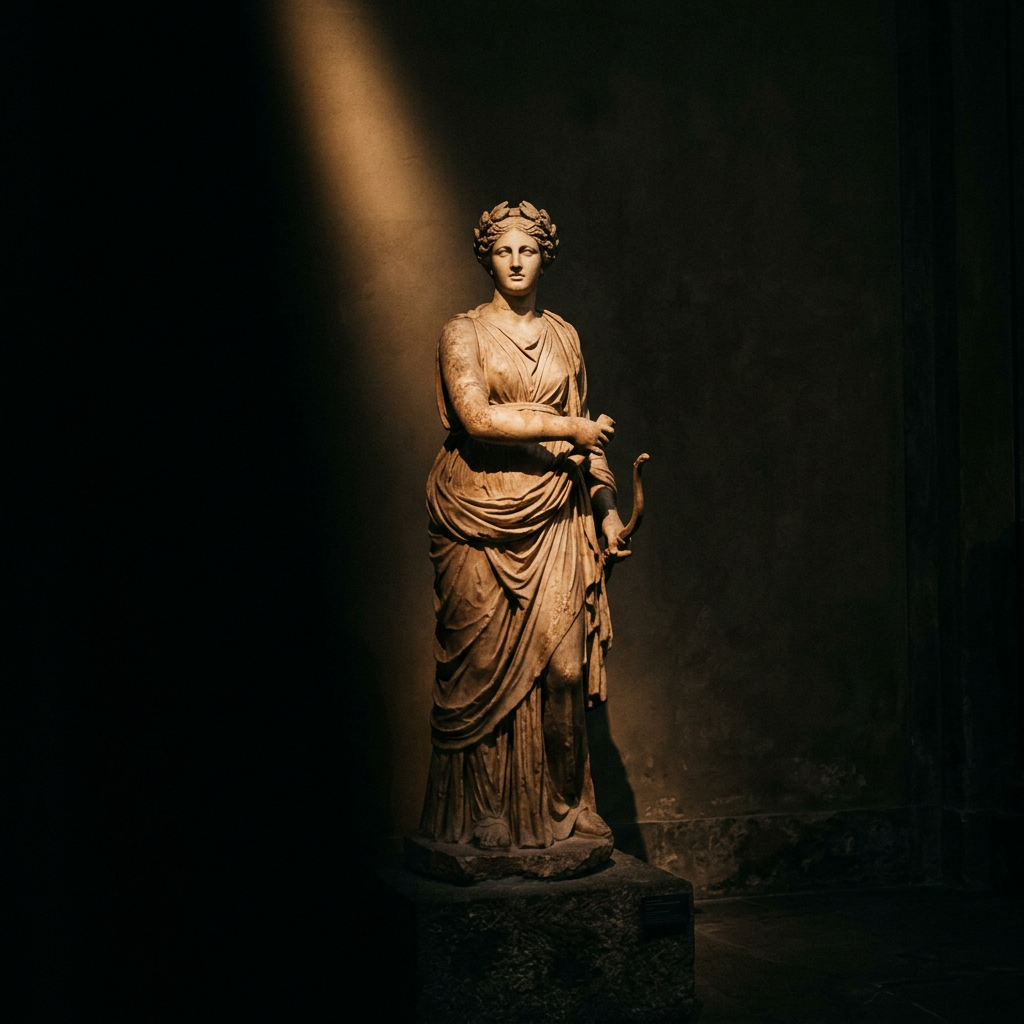
Today I learned a basic art term, and I liked it so much that I wanted to share it with you: chiaroscuro, an Italian word that literally means light-dark.
In painting, it refers to the contrast between light and shadow, used to create volume, depth, and sometimes drama in a scene.
Two famous artists make it easy to see how light and shadow can be used in completely different ways: Leonardo da Vinci and Caravaggio.
Leonardo is mist. Caravaggio is a spotlight.
Leonardo da Vinci lived during the Renaissance. In his paintings, light and shadow often blend gradually. There is no sharp boundary between one and the other.
And here is a new word for my collection:
sfumato.
The word comes from the Italian fumo, meaning smoke.
And that makes it very easy to remember. In the Mona Lisa, for example, the shadows on the face seem to dissolve. The light does not end abruptly. It slowly fades into shadow.
Leonardo da Vinci = smoke, transition, softness.
Then there is Caravaggio.
A century later, as the Baroque period was beginning, it sometimes feels as if someone had turned off all the lights in the room… and switched on a spotlight.
In paintings such as The Calling of Saint Matthew, large areas remain in darkness while an intense beam of light suddenly appears and tells you exactly where to look.
This dramatic use of light and darkness is associated with tenebrism.
Caravaggio = darkness, contrast, drama.
And suddenly, I understood chiaroscuro a little better.
It is not simply about painting some things light and others dark. Light can create volume, build atmosphere, and even tell a story.
Leonardo seems to say:
Look slowly.
Caravaggio:
Look here!
I also enjoyed discovering that these two painters belonged to different periods.
Leonardo belongs to the Renaissance, with its interest in human beings, nature, knowledge, and observation.
Caravaggio belongs to the world of the Baroque, much more drawn to contrast, drama, appearance, and uncertainty.
And then I found a connection I loved: Caravaggio was a contemporary of Cervantes and Shakespeare.
While he was painting those dark scenes pierced by light, Cervantes was writing Don Quixote, and Shakespeare was filling his plays with doubts, appearances, betrayals, and ghosts.
Suddenly, art history stopped feeling like a list of famous paintings.
It became a whole era.
So my first mini art lesson can be summed up like this:
Leonardo: mist.
Caravaggio: spotlight.
Sfumato: light fades gently into shadow.
Tenebrism: light bursts out of darkness.
I still do not know much about art.
But now, when I look at a painting, I have a new question:
Does the light caress or strike?
And I think that is a pretty good place to start.
Artists
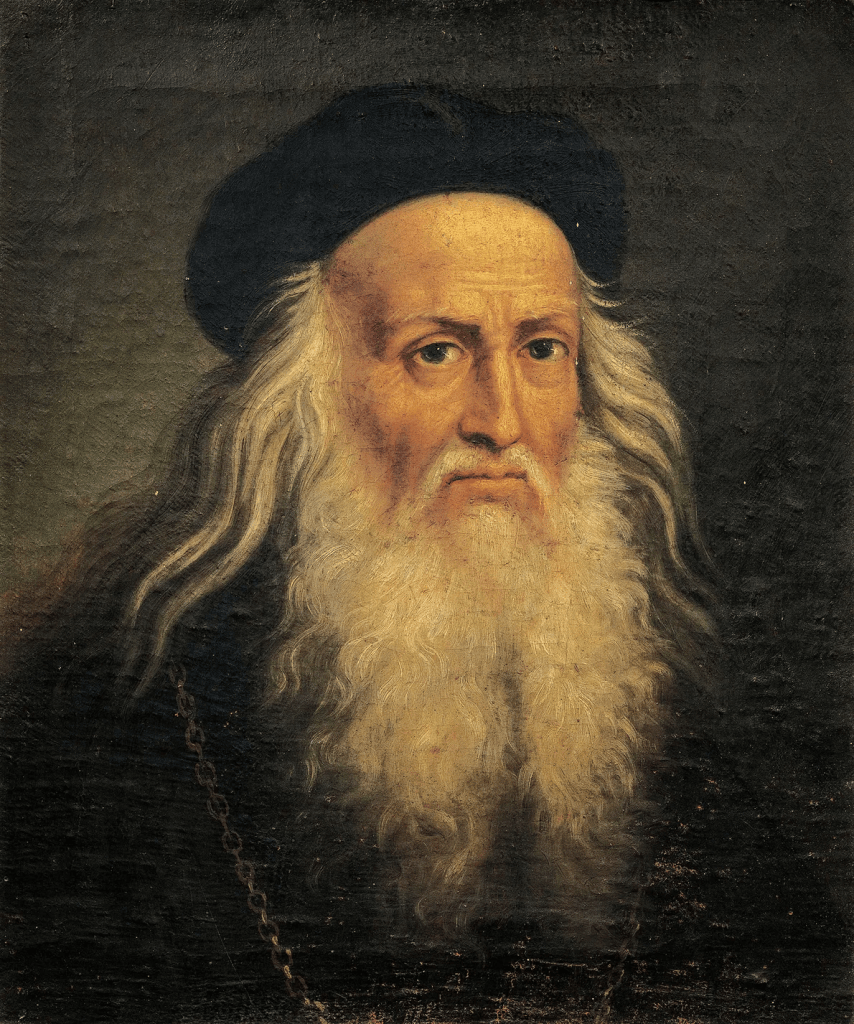
Renaissance
1452–1519
Curious, observant, studious
Soft, gradual light
Sfumato
Effect: mist, smooth transition
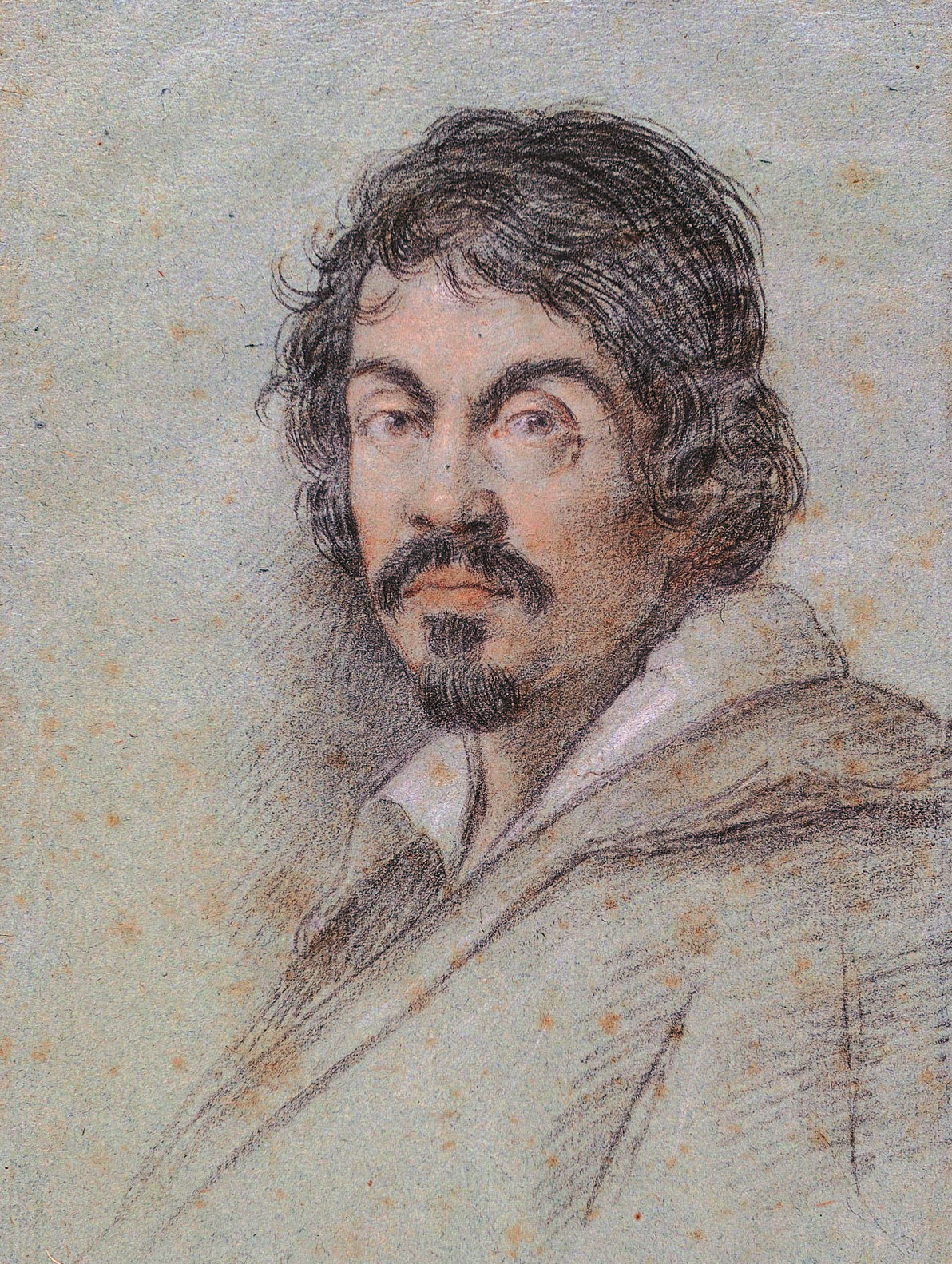
Baroque
1571–1610
Dramatic, intense, realistic
Strong, dramatic light
Tenebrism
Effect: spotlight, contrast
Works

Light gradually blends into shadow
No sharp transitions
Soft, mysterious atmosphere
The light envelops the figures
It feels like smoke or mist
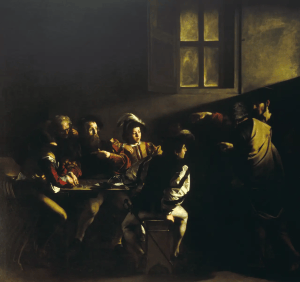
Light enters dramatically
Strong contrast between light and darkness
Dramatic, theatrical atmosphere
The light directs your gaze
It feels like a spotlight

Leave a Reply