
If you have ever seen Rocky running up the steps of the Philadelphia Museum of Art, you already know one of the most iconic images of the city. But beyond that famous scene, this museum holds one of the most important cultural treasures in the United States.
At one of the most difficult moments of my life, when I felt I had lost almost everything I had worked for over the years, I ended up spending two months in Philadelphia. During that time, almost without realizing it, the Philadelphia Museum of Art became my favorite place in the city.
At first, I tried to describe this place through what others said and felt about it. Today, a couple of years later, I want to tell it differently: from memory, from what I still feel when I think about it.
This post turned out to be a little longer than I expected, so I decided to include a small table of contents. If you prefer, you can jump directly to the section that interests you most by clicking on the link.
In this post you will find:
- Philadelphia Museum of Art: Beyond the Rocky Steps
- How to Get to the Museum
- How to Experience Art at the Philadelphia Museum of Art
- What to See at the Philadelphia Museum of Art
- Architecture
- Practical Information for Visiting the Philadelphia Museum of Art
- Final Reflection
Philadelphia Museum of Art: Beyond the Rocky Steps
Philadelphia is a vibrant city where history and modernity intertwine through its rich culture, art, and heritage. Yet, whenever its name comes up, the most common reaction is often: “Rocky!“ That iconic scene of Sylvester Stallone triumphantly climbing the steps of the Philadelphia Museum of Art remains deeply ingrained in popular culture, representing resilience and determination.
One of the most iconic attractions in this incredible city is the famous Rocky Steps. For younger generations, the reference might not be as well-known, as the first movie in the series premiered back in 1976. Today, a statue of Rocky Balboa stands at the base of the steps, and it’s common to see visitors lining up to snap a photo with it. If you visit at night, however, you’ll likely have the place all to yourself.
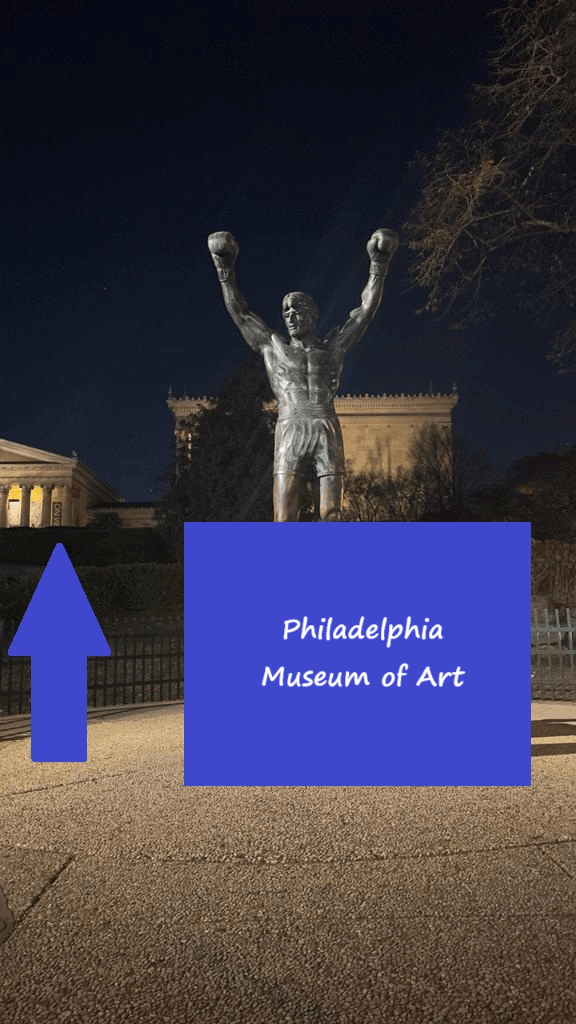
I invite you not only to relive this legendary moment but also to go beyond the Rocky Steps and explore the Philadelphia Museum of Art—a cultural gem that truly deserves your attention.
How to Get to the Museum

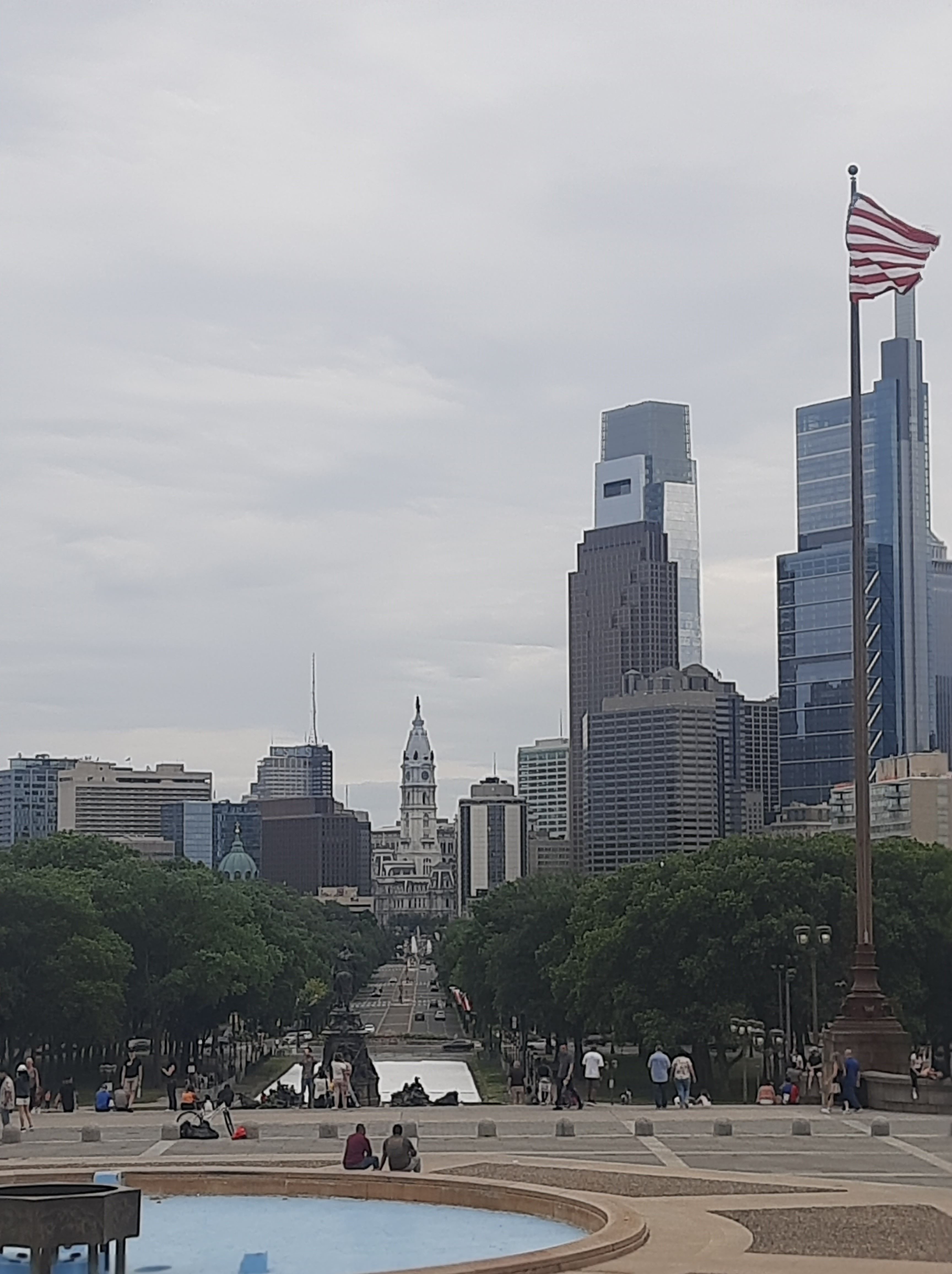
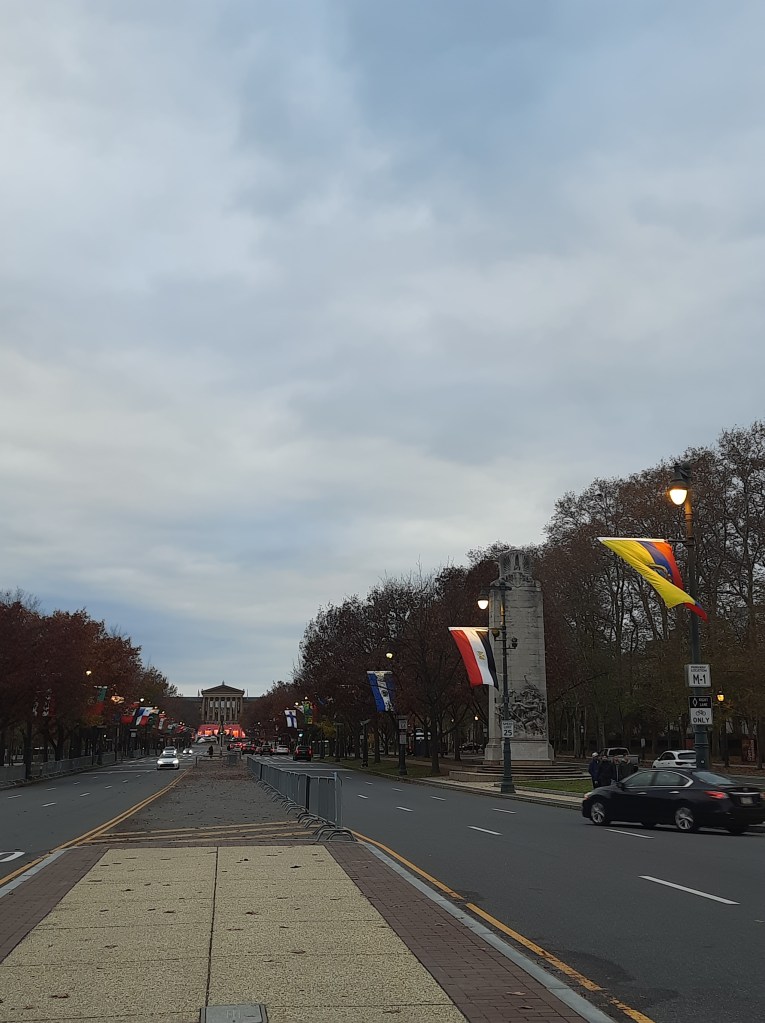
The Philadelphia Museum of Art is located west of Benjamin Franklin Parkway, in Fairmount Park, Philadelphia.
One of the things I loved most about Philadelphia is that it’s a perfect city for walking. If you enjoy walking and can do so, you don’t need a car. From the Liberty Bell to Philadelphia’s City Hall, it’s only a 16-minute walk, according to Google Maps. And from City Hall to the Philadelphia Museum of Art, it’s a 32-minute walk. Along the way, you’ll find several tourist attractions to enjoy. That’s why I recommend dedicating a morning or afternoon to exploring these places, along with other interesting spots in the city that I hope to describe later.
Art as a Personal Experience
Visiting the Philadelphia Museum of Art is not just about seeing artworks—it’s about how you experience them.
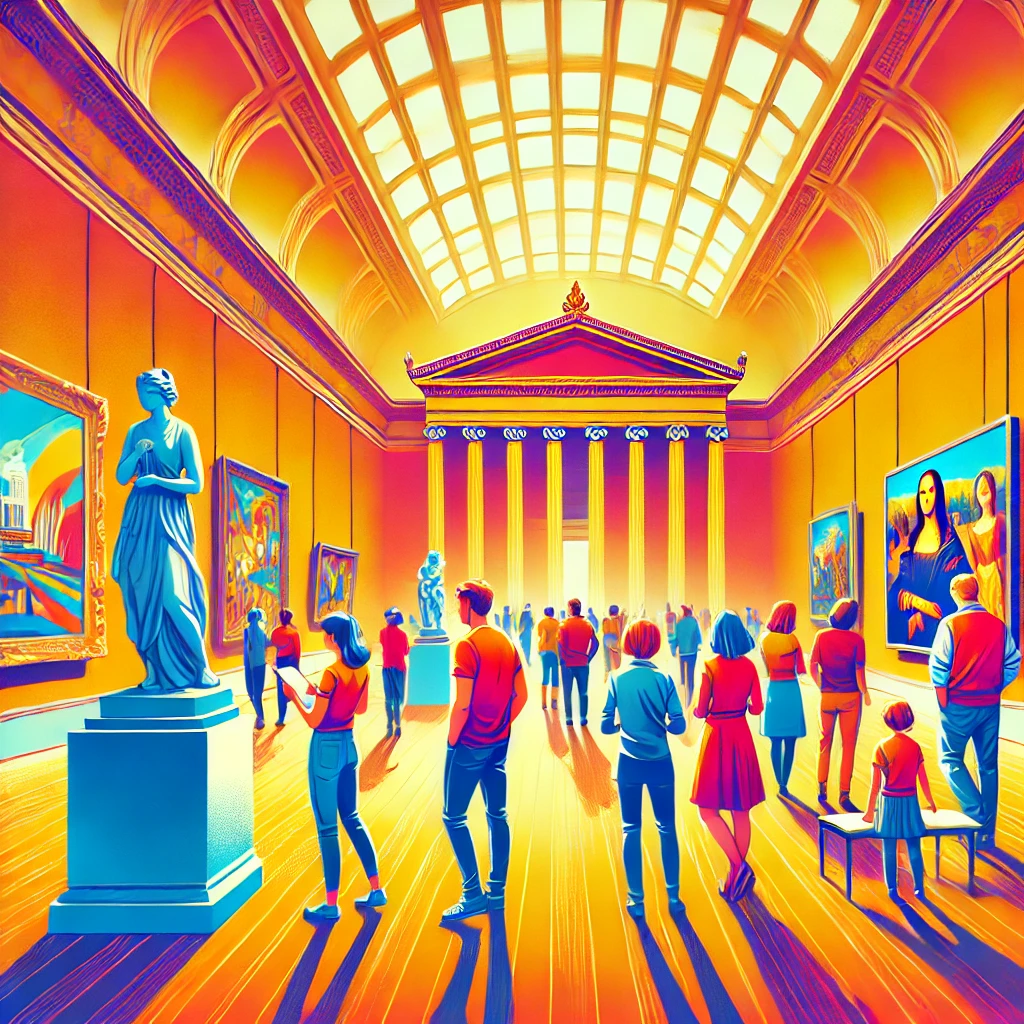
This image was created with ChatGPT
To enjoy art, you don’t need to be an expert; you only need to be willing to observe and connect with the works. Liking something doesn’t mean you have to be a specialist in the subject. The experience is personal and has no rules.
It’s impossible to see all the pieces in the museum in one day. This isn’t a marathon. You can focus on some rooms or pieces that interest you and take your time with them.
Art is subjective, so take a close look and ask yourself: What does this artwork make me feel? Does it evoke an emotion or a memory? Is it beautiful, unsettling, confusing, or playful? Pay attention to the details: the light, the colors, the shapes, the textures, and how the elements are arranged. What does it represent? People, landscapes, objects, or something abstract?
If something catches your attention, take a moment to read the labels or descriptions of the artwork. Learning the title, the artist, or the historical context can often add another fascinating layer to your experience. For instance, I was amazed to find that several pieces I liked were by the same artist or used a similar technique.
You don’t have to enjoy everything. If something doesn’t interest you, move on until you find something that sparks your curiosity.


The museum has over 227,000 objects. I’m sure more than one will catch your interest. If you want to plan your visit better, you can check the museum’s official website: https://philamuseum.org/, where you’ll find maps and a virtual guide. If you want to learn more, here’s a video for you:
The Philadelphia Museum of Art’s Comprehensive Collections
The Philadelphia Museum of Art houses an extensive and diverse collection, spread across several curatorial departments. From American Art—one of the largest collections in the United States—to Contemporary Art, with works from 1950 to the present, the museum offers a journey through different periods and perspectives.
Beyond paintings, the museum also stands out for its Costume & Textiles collection, with thousands of pieces, and its East Asian Art galleries, where objects from China, Korea, and Japan reflect centuries of history and craftsmanship. European art is another highlight, with decorative arts, sculpture, and paintings ranging from the Middle Ages to the 20th century.
Among its most distinctive collections is Arms and Armor, considered one of the finest in the world. Altogether, these spaces invite visitors to explore the museum at their own pace—whether through guided tours or simply wandering and discovering what resonates most with them.
Visitors can explore these treasures through guided tours, self-guided audio tours, and access to the museum’s library and archives. https://philamuseum.org/collection#curated
Architecture
Between 1871 and 1929, Philadelphia planned and executed an ambitious project to construct a broad avenue, now known as the Benjamin Franklin Parkway. This avenue cuts diagonally through the urban grid established by William Penn in the 17th century, linking the bustling business center with the open spaces of Fairmount Park. The project culminated in the completion of the Philadelphia Museum of Art, inaugurated in 1928. Among the preserved architectural drawings, there are large-scale watercolors by the French urban planner Jacques Gréber, as well as depictions of the museum’s exterior transition, from a classical French design to the Neo-Greek temple envisioned by Trumbauer, Borie, and Zantzinger. Additionally, the final interior adjustments made by director Fiske Kimball are also documented.
The information has been sourced from the official Philadelphia Museum of Art website (https://philamuseum.org/calendar/exhibition/building-the-city-beautiful-the-benjamin-franklin-parkway-and-the-philadelphia-museum-of-art).
Renovation
The Philadelphia Museum of Art underwent a major renovation, completed in May 2021, designed by architect Frank Gehry. This renovation, known as the ‘Core Project,’ involved significant changes to both the interior and exterior of the museum. Key highlights included the addition of 20,000 square feet of gallery space, the renovation of Lenfest Hall, and the creation of a new space called the ‘Forum,’ which debuted with an installation by artist Teresita Fernández. Gehry’s design sought to emphasize the museum’s historic architecture while incorporating a modern vision, offering visitors new views of the city and the Schuylkill River. The project also prioritized accessibility and reimagined how both historical and contemporary art could be displayed.
The previous information was taken from the following page: https://www.visitphilly.com/features/philadelphia-museum-of-art-to-unveil-next-phase-of-frank-gehry-redesign/.
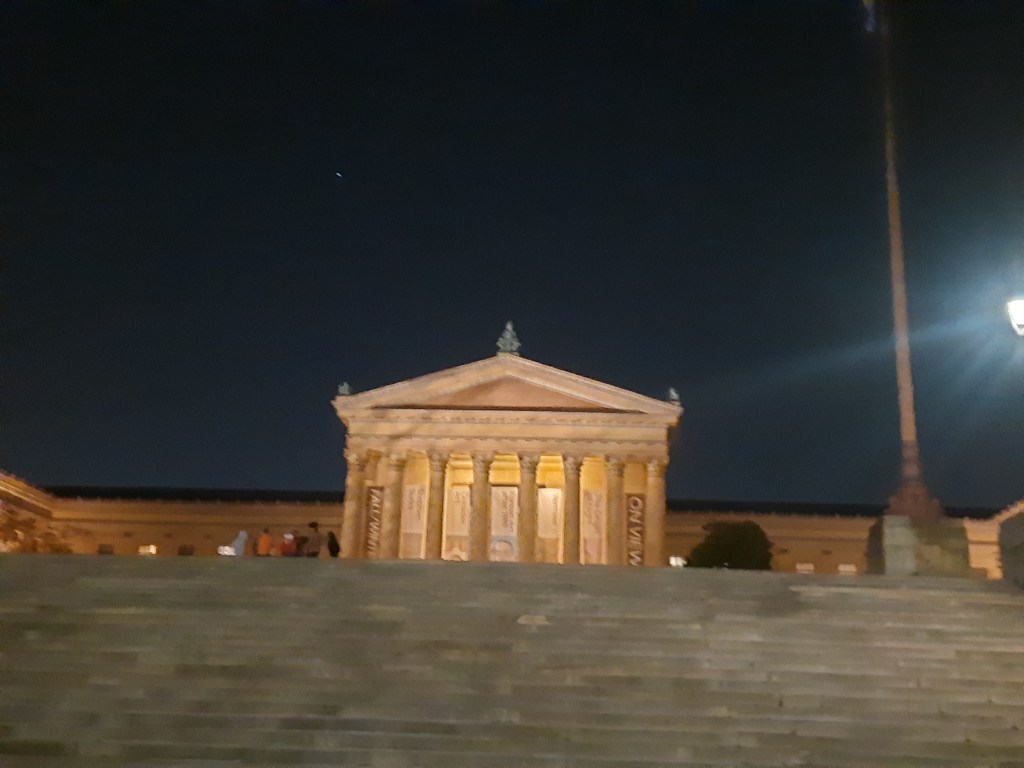
Own Photo: The museum’s architecture was inspired by Greek architecture.
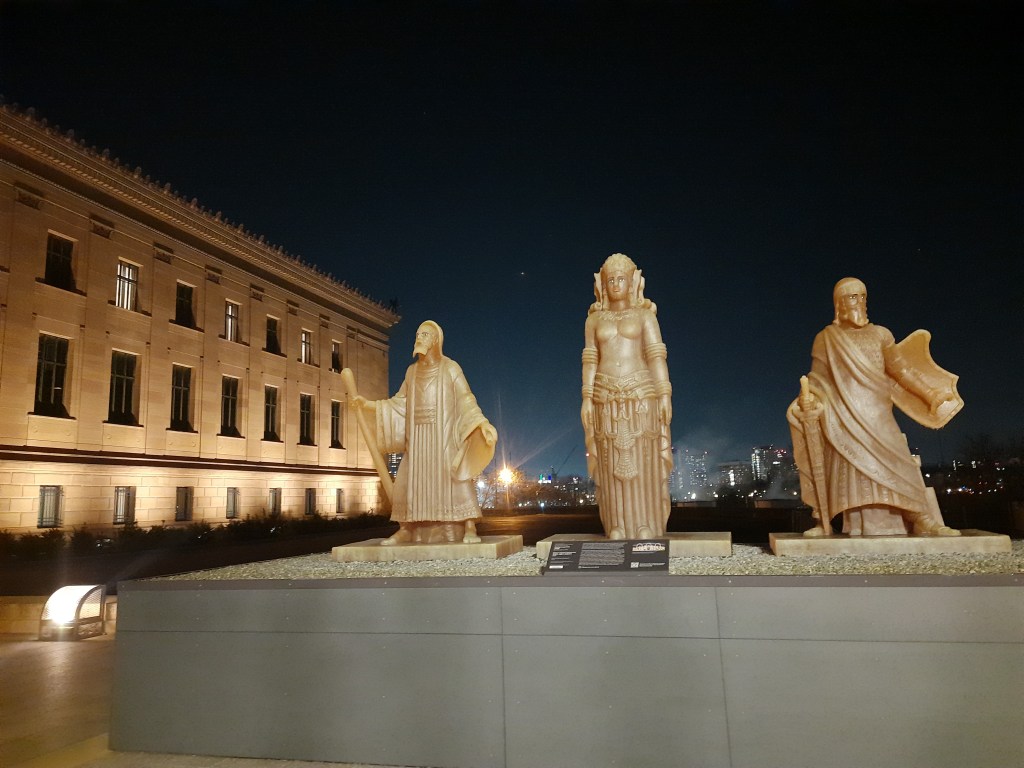
The Philadelphia Museum of Art is more than just a museum; it’s a place where art, history, and architecture come together seamlessly. Whether you’re drawn to paintings, sculptures, or simply looking for a peaceful moment surrounded by beauty, this destination truly has something for everyone.
If you haven’t had the chance to visit yet, I hope my post inspires you to plan a trip. I’m confident you’ll discover something that captures your imagination!
General Information
You may purchase tickets through the official website of the Philadelphia Museum of Art: https://philamuseum.org/visit/admission. The museum is open to the general public and offers a unique opportunity on the first Sunday of each month, from 10:00 a.m. to 5:00 p.m., allowing visitors to pay an amount of their choosing for admission.
If you’d like to explore more about my journey through the city, you can visit this page where I’ve gathered all the places and experiences from my time in Philadelphia.





Leave a Reply